More questions about the colonoscopy
Why does someone have to accompany me after the procedure?
The medicine used during the colonoscopy often makes people feel tired and sleepy for a few hours afterwards. This makes it unsafe for people to drive or to travel alone.
It is important to have someone with you who can stay to hear the results after the test and then take you home. Ask them to write down the results and whether another colonoscopy is suggested in future years. You will feel drowsy after the colonoscopy due to the medications used to relax you. You may not remember things you are told about the results.
If you cannot find someone to be with you after the test, colonoscopy doctors may do the colonoscopy but give you less (or no) sedating medications andor keep you longer in the hospitalendoscopy clinic after the colonoscopy. They may ask you to take a taxi home.
Can someone accompany me into the room? Do I have to be alone?
Some doctors are okay with the person accompanying you to go with you to the examining room if your test is not performed in an operating room. When the test is performed, they will be asked to leave.
If you have some special needs it is best to speak to the colonoscopy doctor well before the day of the test to discuss how these can be handled.
Do you have to wear anything specific on the day of the colonoscopy?
What types of medications (sedatives) are used for the colonoscopy?
Different medicines are used by different doctors. Most commonly used are small amounts of medications for sedation or pain (such as fentanyl, midazolam (also called versed) and propofol). Because of these medicines, many people do not remember anything about the colonoscopy after it is completed. You may not remember well or be steady on your feet for an hour or two after the colonoscopy is finished.
Fentanyl has been in the news a lot lately and some people may be concerned about this. This medicine is routinely used for colonoscopy and other medical tests and it is safe when used in this way. If you have questions about this you can ask your family doctor or the colonoscopy doctor.
Will there be an I.V.?
Do you need sedating medication?
Although, most people in North America use medications for colonoscopy (to make you sleepy), some people have colonoscopy without any sedation medications. Colonoscopy is often done without sedation medications in Europe. People who do not use sedation medicines will remember the procedure and may experience some discomfort and possibly some pain. They will also be able to view the video display (if they wish) to see the appearance of the colon. They can return to normal activities immediately after the colonoscopy.
Persons who have sedation medications are less likely to have pain or discomfort. They should not drive for up to 24 hours afterward and should have someone who can take them home and stay with them after the colonoscopy.
If you have preferences or questions about sedation medicines used, ask the colonoscopy doctor or their nurse about this before the day of the colonoscopy. Most doctors have preferences on the medicines they use for a colonoscopy.
Why don’t people having a colonoscopy have a general anesthetic as they would for a major surgery?
General anesthetic requires anesthesia doctors and a breathing tube and artificial breathing machine when you are not able to breathe enough on your own. There is a slightly higher risk of problems with a general anesthetic than with the medicines usually used in colonoscopy.
Most people do very well without general anesthesia.
How painful is the colonoscopy?
Everyone has different pain responses to the colonoscopy. Most people do not remember any pain during colonoscopy. Discomfort can occur for short times during the colonoscopy, which most people do not remember. Medications are used to decrease the discomfort. Your doctor may do other things such as asking you to turn positions to help decrease the discomfort.
Your colon is filled with air during the colonoscopy which may cause bloating and discomfort afterwards.
How many people are involved in the colonoscopy room?
What are the roles of these additional people?
Can you feel if polyps are removed?
What will happen during colonoscopy?
- You will be positioned on your left side. In many hospitals/ endoscopy facilities, you will be given oxygen, and your blood pressure, heart rate and breathing will be monitored throughout the procedure.
- You will be given the medicines to make you drowsy. The purpose of these medications is to keep you comfortable throughout the test. Some people sleep through the test. Others are more awake.
- The doctor will start the examination by inserting an examining finger into the rectum. Then the colonoscopy tube, which is the thickness of the examining finger, will be inserted into your rectum and inside of your colon (large bowel/large intestine) examined.
- The procedure is done over approximately 20 to 45 minutes. Your doctor spends this time carefully moving the tube through your colon and viewing the lining of the colon. The colonoscope may be used to insert air or water to improve the viewing. The instrument may be used to take tissue samples or to remove polyps, but you will not feel anything when this is done.
Click on me
A subset
What are the risks of colonoscopy?
Complications are rare. They are less common among younger persons and those with no other medical problems. The risks are also less if you do not require removal of a polyp or other special procedures during colonoscopy.
Some people have a bloated feeling after the colonoscopy because of the air inserted to view the colon. These people find it helpful to walk around a bit once they are feeling steady.
Minor complications: Abdominal discomfort, bloating, medication reactions or temporary bleeding occur in about 1 in 100 people having a colonoscopy (1%).
Major complications, such as perforation or a hole being made in the intestine and large amounts of bleeding, are rare and occur in less than 1 in 1000 persons (0.1%). Surgery and/or hospitalization may be required to manage this in about 1 in 3000 (0.03%). Death occurs in 1 of 10,000 people having a colonoscopy.
Colonoscopy |
|
|---|---|
 | Step 1. One week before your colonoscopy: Do not eat corn/flax/poppy/sesame seeds, nuts, fish oils, or medicines containing iron including multivitamins containing iron. |
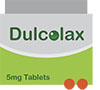
| Step 2. A few days before your colonoscopy: Go to any pharmacy and buy the following special laxatives. You do not need a prescription but they may be kept behind the pharmacy counter. Ask the pharmacist. (Your doctor may suggest different laxatives than the ones below. Please follow those instructions.) |
|
 |
|